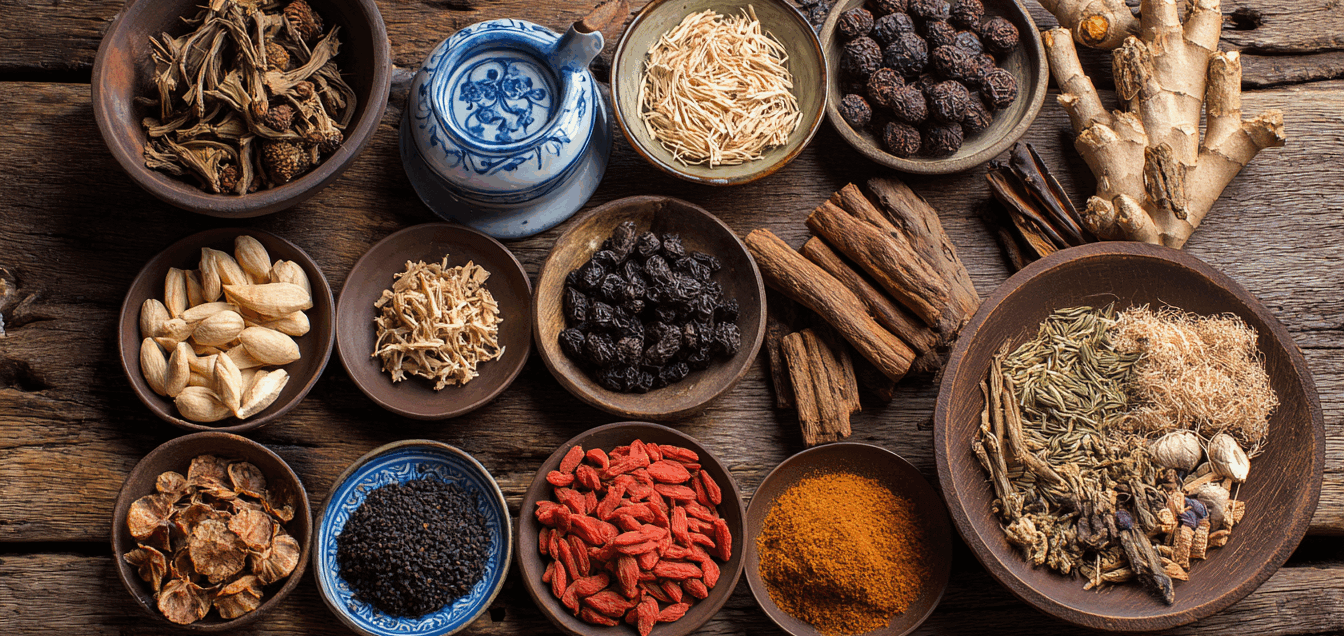
In Traditional Chinese Medicine (TCM), people are classified into different constitutional types based on their physical and mental characteristics and tendencies. Understanding your constitutional type can help identify potential health risks, tailor treatments, and promote better health. It’s an important part of diagnosis and treatment for TCM practitioners.
We’re here to break down the nine basic constitutional types so you can see where you fit and start working on your own physical and emotional health. Read on to learn more.
Qi Deficiency Type
If you often feel run down, easily fatigued, or notice a pale complexion with occasional spontaneous sweating, you may fall into the Qi Deficiency type. This constitution reflects the body’s lowered energy reserves, which can sometimes leave people more introverted or hesitant in daily life.
Qi deficiency can impair the body’s ability to function properly, resulting in symptoms such as shortness of breath, dizziness, and a weakened immune system. It may cause longer recovery times from injuries and illnesses.
To replenish Qi, TCM emphasizes gentle nourishment; warm, lightly sweet foods, restorative herbal formulas such as Yu Ping Feng San (Astragalus & Siler Formula), and lifestyle practices that conserve energy. Acupuncture can also help restore balance and vitality.
Yang Deficiency Type
If you often feel chilled, sluggish, or notice that your hands and feet are cold, you may fall into the Yang Deficiency type. Since Yang represents the body’s warmth and activity, its depletion can leave a person low in energy, sensitive to cold, and slow to get moving.
When Yang is weak, the body struggles to warm and energize itself. This can lead to digestive issues, reproductive challenges, poor sleep, and gastrointestinal discomfort, especially after consuming raw or cold foods. People with this constitution may also catch seasonal illnesses more easily, particularly in winter.
To restore Yang, TCM emphasizes warming nourishment: hearty, warming foods, herbal formulas like Jin Gui Shen Qi Wan (Kidney Qi Pill), and lifestyle practices that build and conserve heat. Acupuncture and moxibustion can further strengthen Yang energy and bring back vitality.
Yin Deficiency Type
Do you experience restlessness, overheating, or dry mouth and night sweats? You may fall into the Yin Deficiency type. Yin represents the body’s cooling and nourishing qualities. When it’s depleted, the body overheats and loses its calm energy.
This imbalance can manifest as hot flashes, insomnia, dry skin, irritability, and anxiety. Without sufficient Yin, the body lacks the moisture and stillness it needs, leaving people more outgoing, easily agitated, or prone to overexertion.
To replenish Yin, TCM practitioners recommend a diet rich in cooling and hydrating foods such as pears, cucumbers, and leafy greens. Herbal formulas like Liu Wei Di Huang Wan (Rehmannia Six Formula) help restore Yin, while acupuncture supports the body’s ability to calm and rebalance.
Phlegm-Damp Type
The Phlegm-damp constitutional type prompts the accumulation of phlegm and dampness in the body. If you frequently feel heavy, sluggish, or notice bloating and excess mucus, this type may apply to you.
Phlegm-Damp can cause fatigue, obesity, digestive troubles, and respiratory conditions. It may also lead to edema or bronchitis. People with this constitution often feel uncomfortable in hot or humid climates.
To transform dampness, TCM emphasizes the importance of light, hydrating foods such as leafy greens and fresh fruits, while avoiding greasy or overly rich meals. Acupuncture and formulas like Er Chen Tang (Citrus & Pinellia Combination) help clear phlegm and restore fluid balance.
Blood Stasis Type
If you experience sharp pain, poor circulation, or dark spots on your skin, you may fall into the Blood Stasis type. This constitution reflects blocked or sluggish blood flow, preventing tissues from receiving proper nourishment.
Blood Stasis can manifest as menstrual irregularities, chronic pain, endometriosis, or cardiovascular concerns. People with this type may bruise easily, bleed readily, or show signs of irritability and forgetfulness.
TCM practitioners often recommend acupuncture and herbal formulas like Xue Fu Zhu Yu Tang (Persica & Carthamus Combination) to invigorate blood flow. These therapies help restore circulation, ease pain, and promote healthier tissue oxygenation.
Qi Stagnation Type
Individuals who frequently experience tension, irritability, or stress-related discomfort may be classified as having a Qi Stagnation type. Qi represents the smooth flow of energy throughout the body, and when blocked, it leads to tension and emotional imbalance.
Qi Stagnation can cause digestive upset, menstrual irregularities, heart palpitations, and mood swings. Over time, it may result in depression, impatience, and difficulty adapting to stress.
To restore flow, TCM emphasizes practices that gently move Qi. Acupuncture can help release stagnation, while formulas like Yue Ju Wan (Cyperus & Atractylodes Combination) promote the circulation of energy. Gentle exercises such as Qigong and Tai Chi are also recommended to harmonize the mind and body.
Damp-Heat Type
Those who struggle with inflammation, oily skin, or digestive disturbances may be categorized as Damp-Heat type. This constitution reflects an excess of both dampness and heat, generating stagnation and toxin buildup in the body.
Damp-Heat can manifest as skin eruptions, urinary tract infections, a yellowish tongue coating, or persistent digestive issues. People with this type often feel heavy, irritable, and easily overheated.
To clear damp-heat, TCM recommends cooling and hydrating foods such as watermelon, cucumber, and mung beans. Herbal formulas like Long Dan Xie Gan Tang (Gentiana Combination) are often used to expel heat and drain dampness, restoring internal balance.
Special Constitution Type
If you’re prone to allergies, sensitivities, or frequent skin reactions, you may belong to the Special Constitution type. This category reflects a unique constitution with heightened reactivity to environmental or internal triggers.
People with this type may experience hives, dermatitis, asthma, or seasonal allergies. They’re also more likely to react to certain foods or medications and often feel sensitive to weather shifts.
To ease symptoms, TCM encourages light, digestible foods such as tofu, mushrooms, and fish. Herbal remedies like Jing Fang Bai Du San (Schizonepeta & Siler Formula) can help address allergic responses, while acupuncture supports resilience against external irritants.
Balanced Constitution Type
If you rarely get sick, maintain steady energy, and adapt well to stress, you may fall into the Balanced Constitution type. Sometimes labeled as “neutral”, reflects the body’s harmony between Yin and Yang, Qi and Blood, indicating overall vitality and resilience.
People with this type generally enjoy good physical stamina and emotional stability. While no major adjustments are needed, maintaining healthy habits is key: a balanced diet, regular exercise, and mindful practices that sustain equilibrium. When occasional health issues arise, acupuncture or herbal formulas may still provide valuable support.
What’s Your Constitutional Type?
Which of these nine constitutional types sounds most like you? Whatever your type, TCM offers time-tested approaches to restore balance and support long-term health. A licensed TCM practitioner can assess your constitution and recommend the right path for your individual needs.
At KPC Herbs, we provide the highest-quality herbal formulas practitioners trust to support their patients. Explore our catalog today and discover how centuries of tradition and modern quality standards come together in every product.
*Please note: These statements have not been evaluated by the FDA. This article is not intended to suggest specific treatments for patients or that any supplements mentioned prevent or cure diseases or problems. Before taking any herbs, all patients should discuss their options with a licensed practitioner, including any other medications the patient is currently taking, as there may be contraindications between pharmaceuticals and herbs.