Summer is a time for outdoor activities, vacations, and enjoying warm weather that many people look forward to. Despite the ample opportunities for fun and relaxation, this season also comes with unique health risks.
Traditional Chinese Medicine (TCM) has been used to mitigate these risks for centuries, long before the advent of air conditioning, refrigeration, and modern medicine. In this article, we’ll explore common summer health risks and how TCM can help prevent and treat them. Read on to learn more.
Basic TCM Recommendations for Summer Health
In TCM, summertime is associated with the fire element, which corresponds to the heart and small intestine organs. It is the season with the most Yang, and the body has the most Qi and energy during this time. To maintain balance and prevent health risks associated with high temperatures, TCM practitioners and experts suggest general guidelines to follow. These aren’t cures for specific summer-related health issues, but they can help you stay comfortable and healthy.
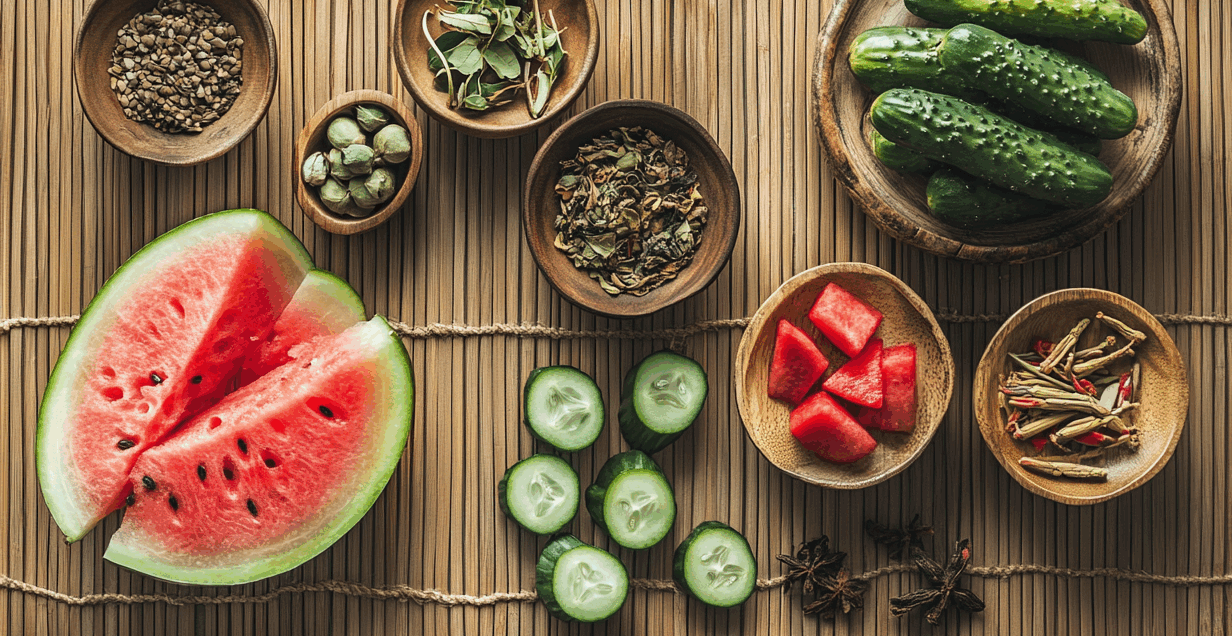
First, it’s recommended to eat cooling foods. Watermelon, mint, cucumber, and fresh salads are just a few ideas. They’ll nourish Yin energy, keep you hydrated, detox the body, and clear out heat.
Because summer is associated with the heart, you should take this time to nourish it. This means avoiding stress, eating heart-healthy foods, and engaging in exercise without over-exertion.
It’s also important to stay hydrated. Staying cool and hydrated will help you balance your Yin and Yang. Water with mint, lemon, or cucumber is great on a hot summer day, as is cooled mint tea.
Common Summer Health Problems and TCM Solutions
So, you’ve been following all of the basic recommendations to stay healthy during the summer, but you’ve still come down with a common summer ailment. Now what? Pairing these general recommendations with TCM may help further prevent unwanted symptoms.
Heat Stroke and Heat Exhaustion
Heat stroke and heat exhaustion occur when there is too much heat and Yang energy in the body. This is a common issue during this time of year, especially for people who are sensitive to heat and those who spend a lot of time outdoors. Symptoms include dizziness, nausea, headaches, and fatigue, which will worsen without intervention.
As far as prevention goes, it’s important to stay in the shade when possible and wear light and breathable clothing. Nourish Yin energy by eating cooling foods throughout the day and staying hydrated.
For those suffering from heat exhaustion, acupuncture points like GV14 and LI4 can help cool the body and restore balance. Herbal remedies Bai Hu Tang (Gypsum Combination or White Tiger Decoction) can be used to clear heat quickly.
Food Poisoning
Food poisoning is more common during the summer months. This is a result of heat triggering faster bacteria growth on food, turning a fun summer picnic into a recipe for illness. Symptoms of food poisoning include diarrhea, vomiting, and stomach cramps, and it can lead to dehydration.
Proper food preparation and storage are key to preventing food poisoning. If you’re camping or having a picnic, prioritize eating cooked or hot foods within a reasonable amount of time, and store cold food in a cooler to prevent bacterial growth.
Herbal formulas like Shen Ling Bai Zhu San (Ginseng & Atractylodes Formula) can help alleviate digestive symptoms and restore gut balance. Furthermore, eating bland foods, like rice, can settle the stomach.
Sunburn
Sunburns happen when the UV radiation from the sun damages skin cells, infiltrating the body with “toxic heat.” Redness on the skin and mild pain are common symptoms, but extreme sunburn can lead to skin blistering and can lead to more dangerous outcomes, possibly skin cancer. It’s important to stay out of direct sunlight and wear sunscreen made of natural ingredients to reduce the risk of sunburn.
If the situation arises, topical applications of aloe vera and cooled green tea can help alleviate pain and redness associated with sunburn. San Qi (Notoginseng) may also be helpful both topically and internally for inflammation and pain.
Insect Bites
Insect bites are common during the summer – mosquitoes, ticks, and other biting insects like horse flies are out in full force. Bites can be itchy or painful, and some insects can carry diseases.
TCM can be a helpful resource to prevent insect bites. Consuming bitter teas not only cools the body but may also ward off certain bloodsucking insects. You can also use Ju Hua (Chrysanthemum) to make your scent more bitter and less desirable.
For pain and itching, using San Qi topically can be help alleviate the symptoms. Using a cold compress may also reduce itching and pain associated with insect bites.
Summer Allergies
While spring is often considered as the time of seasonal allergies, summer allergies can also be bothersome, especially when you’re spending more time outdoors. If you struggle with summer allergies, TCM has some solutions.
When it comes to prevention, Yu Ping Feng San (Astragalus & Silver Formula), taken regularly, can enhance the immune system, creating a stronger barrier against pesky summer allergies.
Acupuncture can be effective for soothing allergies, especially allergies that lead to congestion. Herbal formulas such as Cang Er San (Xanthium Formula) can soothe congestion and swelling associated with allergies.
Stay Healthy This Summer With TCM
Summer is a joyous and energetic season. Don’t let common health issues slow you down during this wonderful time of year. Use TCM for holistic prevention and treatment of your summer-related health problems so you can get back outside and enjoy the summer sunshine.
At KPC, we are passionate about keeping people healthy all year long. View our catalog of top-quality herbal supplements for you and your clients so no one has to miss a moment of summer.
*Please note: These statements have not been evaluated by the FDA. This article is not intended to suggest specific treatments for patients or that any supplements mentioned prevent or cure diseases or problems. Before taking any herbs, all patients should discuss their options with a licensed practitioner, including any other medications the patient is currently taking, as there may be contraindications between pharmaceuticals and herbs.